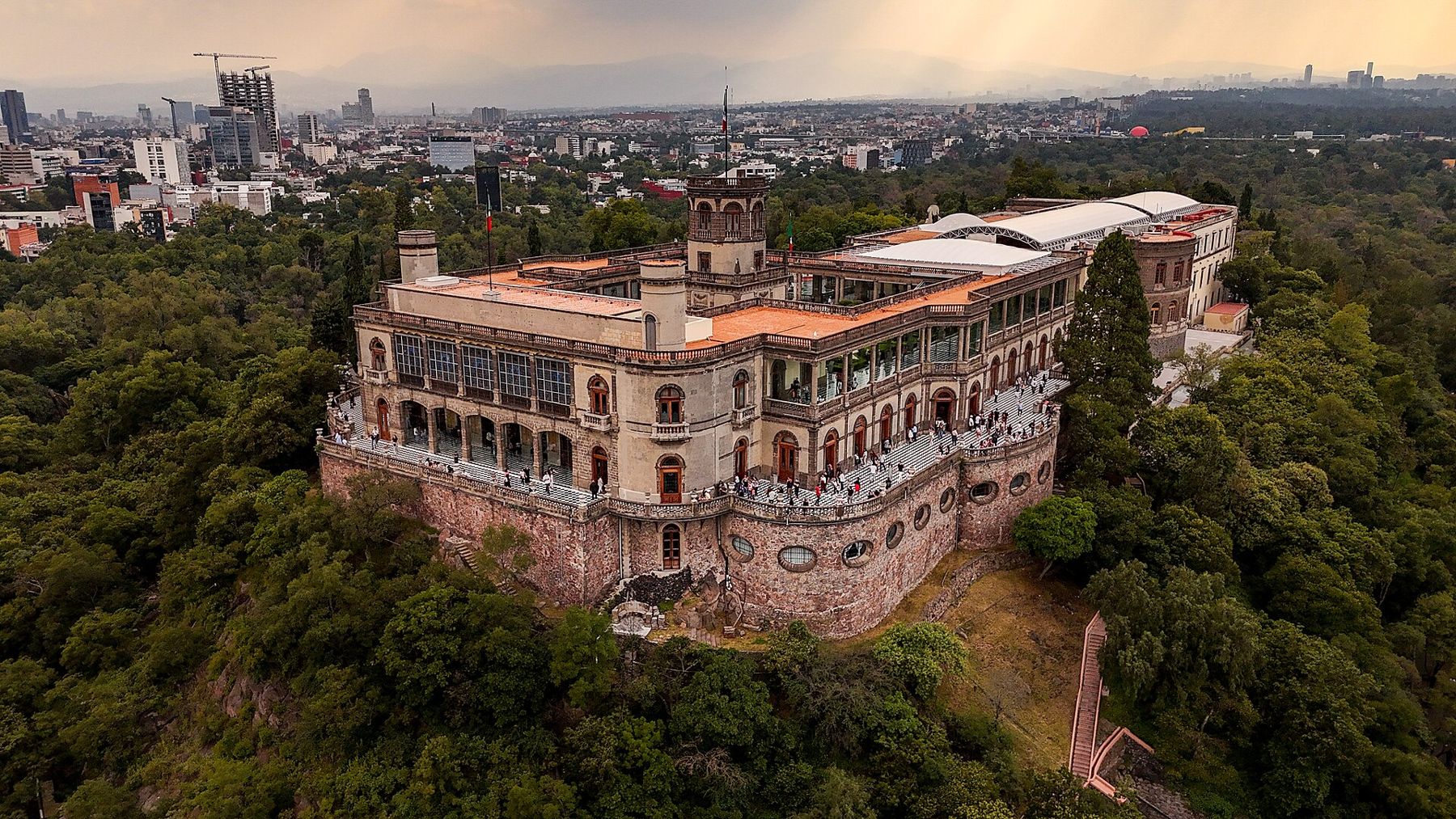
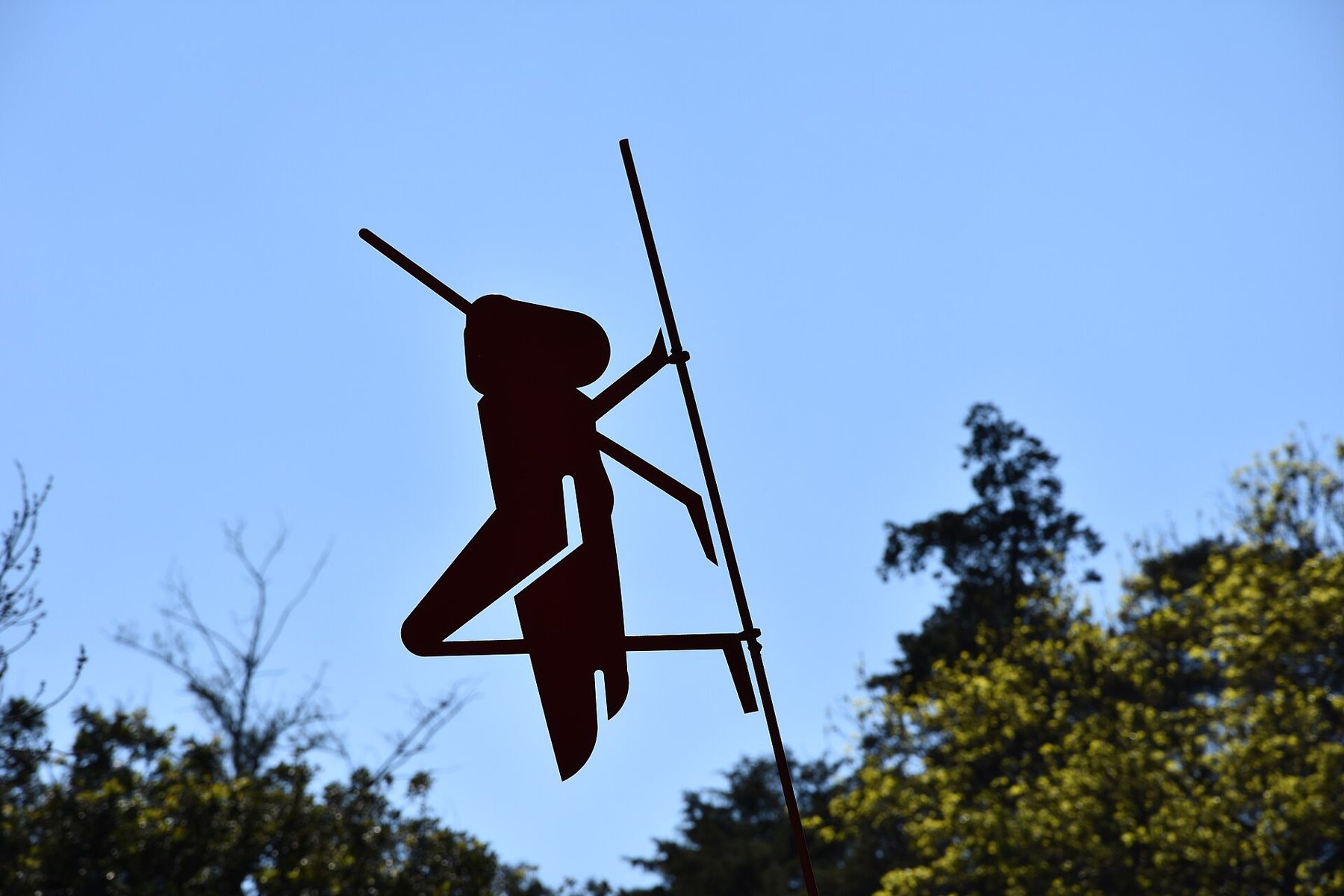
The Bosque de Chapultepec is the great park of Mexico City, a forest of old trees, lakes and museums covering a huge area west of the centre. Its name comes from Nahuatl and means hill of the grasshoppers. Long before the Spanish arrived, the hill was sacred and supplied fresh water to Tenochtitlan.
This walk covers the first section of the park, the oldest and most visited. It starts at the white marble monument to the Niños Héroes, climbs to the castle on the hill, comes down past the botanical garden to the lake, and crosses Paseo de la Reforma to the Museo Nacional de Antropología.
The route is about 2.6 kilometres and takes around two and a half hours without going into the museums. There is one short, steady climb up the castle hill; the rest is flat. The castle and the anthropology museum could each fill half a day.
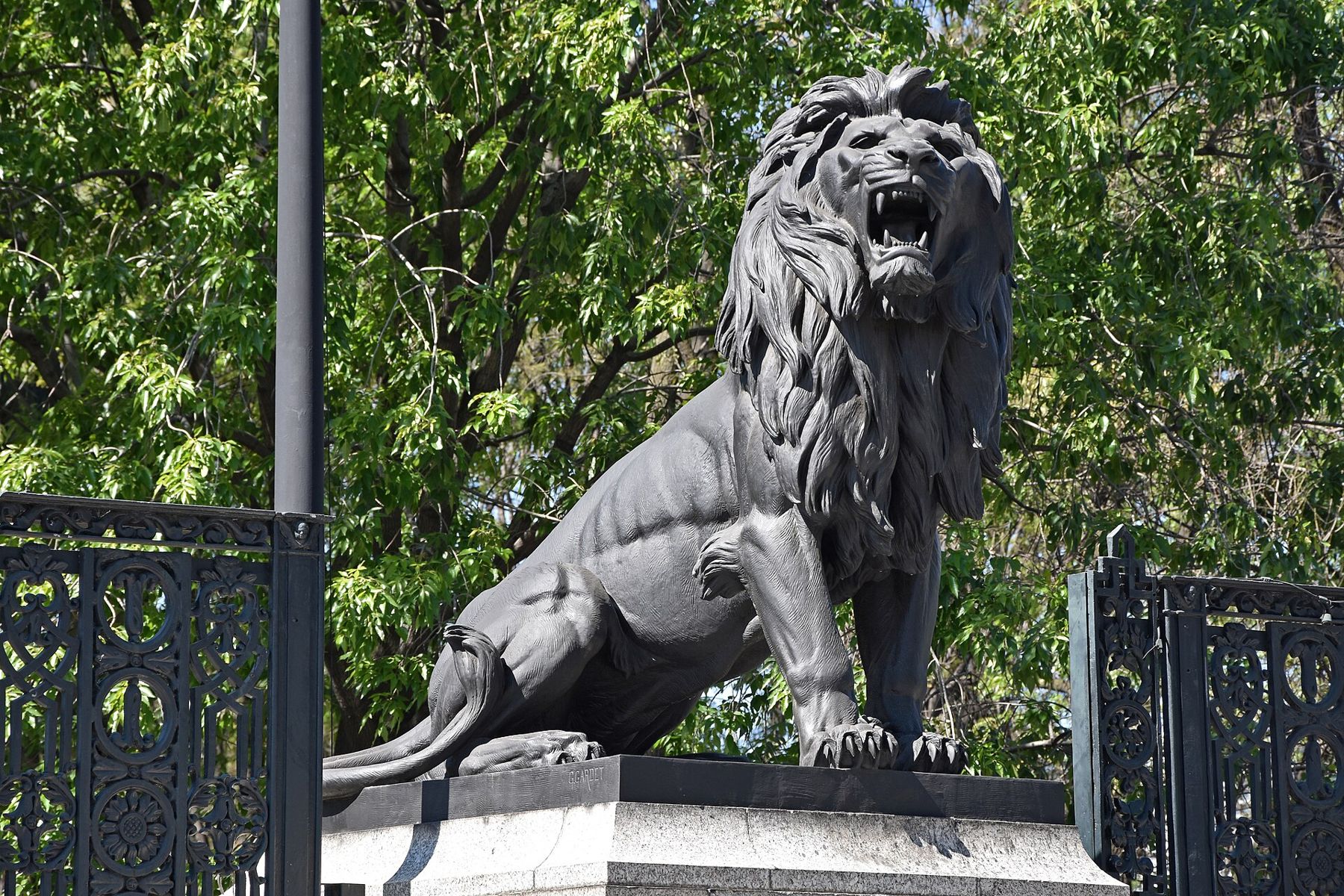
Metro Chapultepec, on Line 1, is about five minutes' walk from the monument. Bronze lions guard the main entrance from Paseo de la Reforma.
The park's first section has a weekly maintenance day when it is closed, and museum hours change, so check before you go.
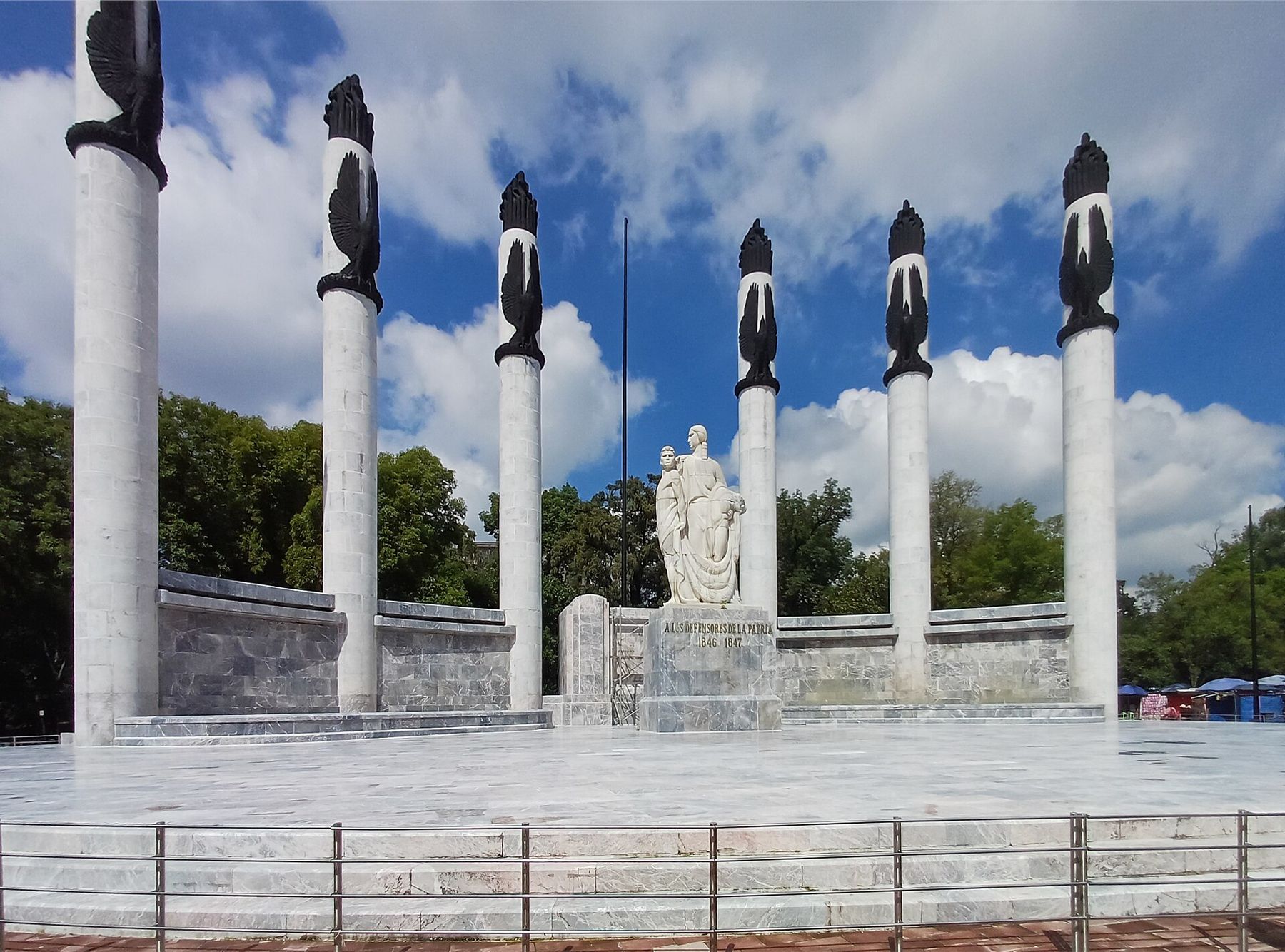
Monumento a los Niños Héroes
Look at the six tall white columns rising in a half circle.
This monument, also called the Altar a la Patria, was inaugurated in 1952. Its six columns honour six young cadets of the military college who died on 13 September 1847, when United States troops stormed Chapultepec during the war between the two countries. Mexico remembers them as the Niños Héroes, the boy heroes.
The story most often told is that one of them, Juan Escutia, wrapped himself in the flag and leapt from the castle rather than let it be captured. Historians debate the details, but the cadets' deaths are real, and their names are on the columns.
Notice the sculpted female figure at the centre, representing the nation.
Walk on · Follow the paved road that winds up the hill toward the castle; 12 minutes.
The road up Chapultepec hill
Look up through the trees at the castle walls above the slope.
The road up the hill is the only steady climb on this walk, a few minutes of easy gradient under tall trees. Take it slowly; even a short climb is noticeable at 2,240 metres.
The hill is a rocky outcrop rising out of the old lake plain, which is why it was so important. Springs at its foot supplied drinking water to Tenochtitlan through an aqueduct, and the Mexica rulers used the hill as a retreat. Later the Spanish built a hermitage and then a palace on the summit.
Notice the ahuehuetes, the Montezuma cypresses with their shaggy bark and trailing branches. They are Mexico's national tree, and some in this park are centuries old.
Walk on · Continue to the top and enter through the gate to the castle terraces; 5 minutes.
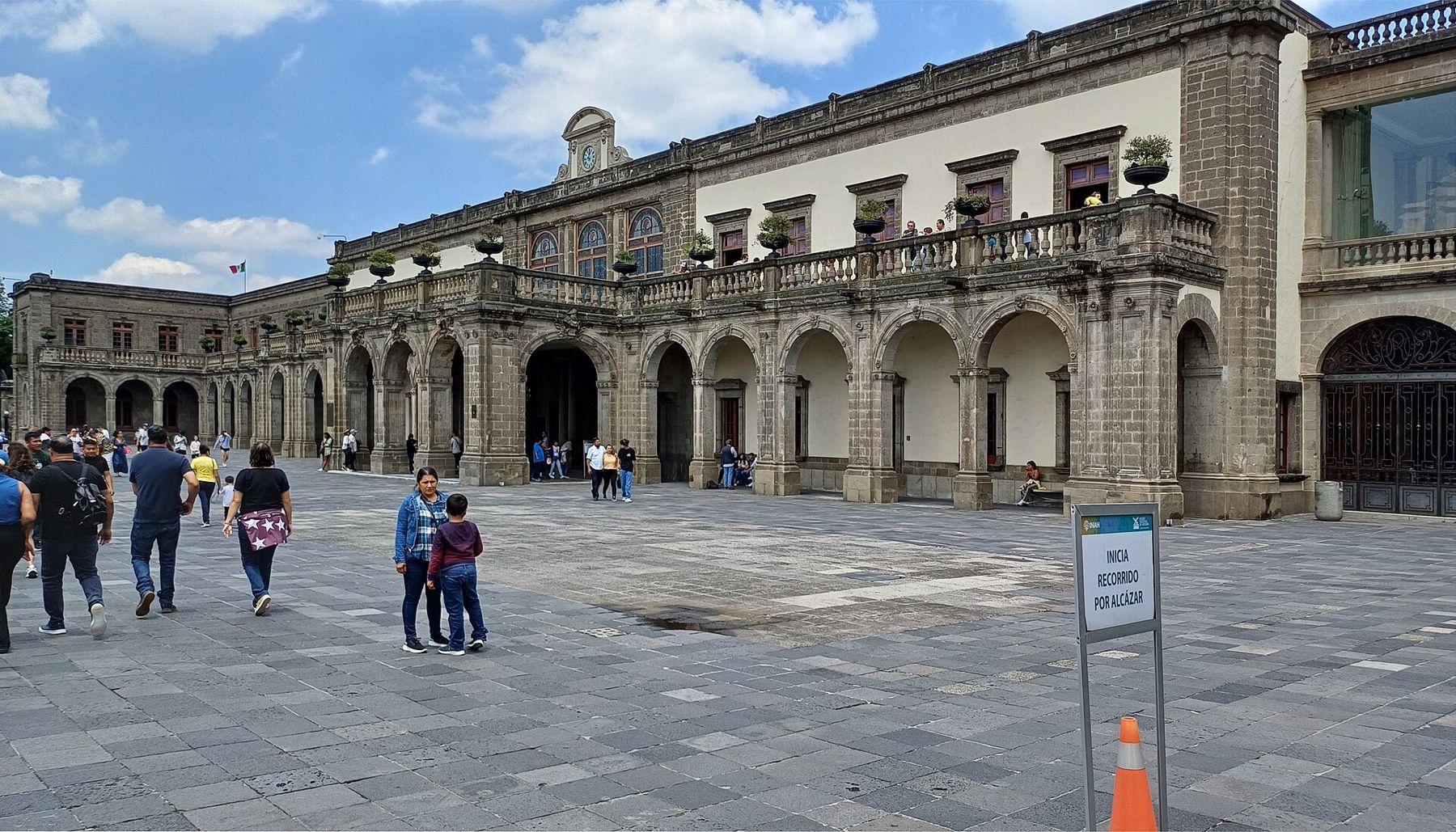
Castillo de Chapultepec
Look at the terraces, balconies and the round tower above the city.
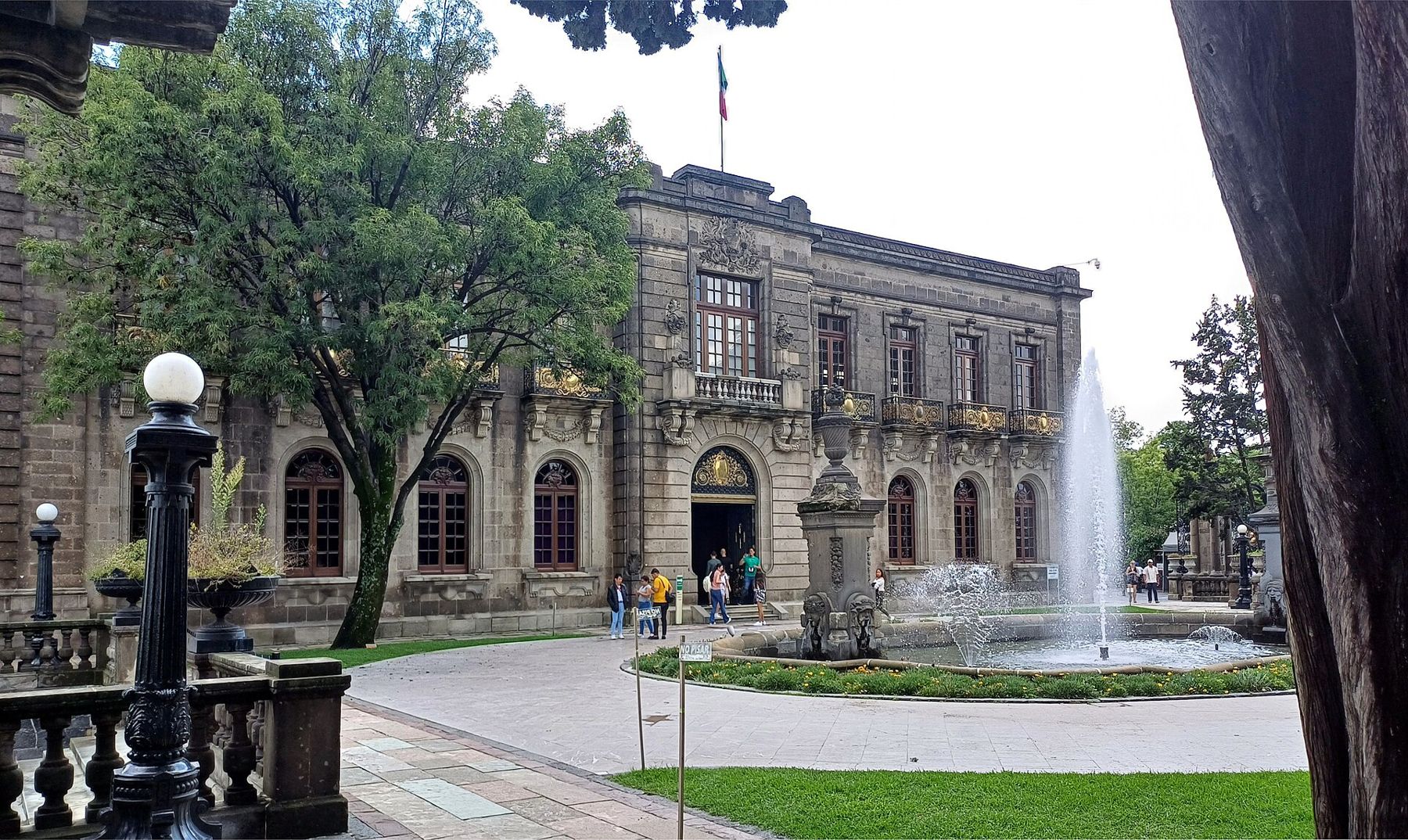
The castle was begun in the 1780s as a summer palace for the Spanish viceroy. After independence it became the national military college, the one the cadets defended in 1847. In the 1860s the Emperor Maximilian and his wife Carlota made it their residence and remodelled it in European style, and later presidents lived here until the 1930s. Since 1944 it has held the Museo Nacional de Historia.
The terraces and gardens give one of the great views of the city, straight down Paseo de la Reforma, the avenue Maximilian laid out to link the castle with the centre.
Notice the stained glass and the painted corridors, and look for the murals inside.
 Change here for the Mexico City lineSan Ángel
Walk on · Walk back down the hill and follow signs north to the botanical garden; 12 minutes.
Jardín Botánico
Look at the beds of cactus, agave and other dryland plants.
The botanical garden in this part of the park concentrates on the plants of Mexico, a country with an extraordinary range of climates, from deserts to cloud forests. The collections include cacti, agaves, orchids and medicinal plants, with a glasshouse for tender species.
Gardens are an old tradition here. The Mexica rulers kept gardens of plants and animals brought from across their lands, and Chapultepec was one of their retreats.
Notice the agaves, the plants used to make pulque, mezcal and tequila, and their sharp-tipped leaves. Mexico is the centre of diversity for both agaves and cacti, and many of the species here grow nowhere else.
Walk on · Walk west along the shaded paths to the edge of the lake; 6 minutes.
Lago de Chapultepec
Look at the rowing boats moving slowly across the water.
This lake in the first section of the park is artificial, made in the nineteenth and early twentieth centuries as a place for boating and promenades. Rowing boats and pedal boats can be hired, and on weekends it is full of families.
Ducks, herons and other water birds use the lake and its islands, and the trees around the shore are among the oldest in the park.
Notice the people around you. Chapultepec is the city's shared garden, and on a weekend you will see picnics, vendors selling snacks and balloons, couples in the shade and children feeding the birds. It is one of the best places in Mexico City simply to sit and watch.
Walk on · Walk north to Paseo de la Reforma and cross at the lights to the stone giant; 6 minutes.
Tláloc on Paseo de la Reforma
Look up at the huge carved stone figure standing by the avenue.
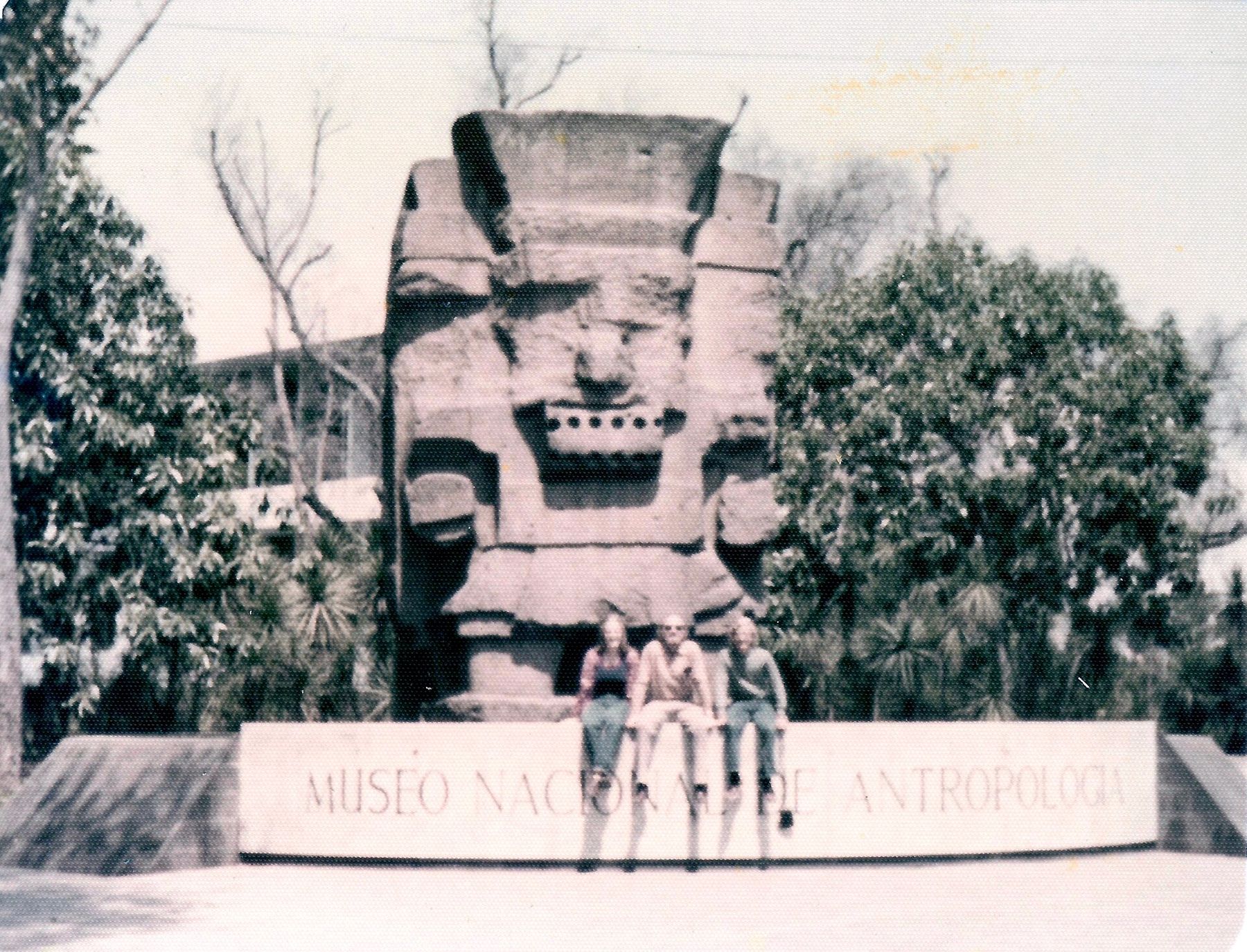
The enormous stone figure in front of the museum is usually identified as Tláloc, the god of rain, though some scholars think it represents a related water goddess. It was carved many centuries ago and lay unfinished in a gully near the village of Coatlinchan, east of the city, until it was moved here in 1964 for the museum's opening.
The story goes that heavy rain fell on the city the day the monolith arrived, an unusual storm for the season, and people connected it with the god.
Notice its size against the passing traffic, and the worn surfaces where carving was left incomplete.
Walk on · Walk along the esplanade to the museum's main entrance; 3 minutes.
Museo Nacional de Antropología
Look at the long, low stone front and the wide entrance plaza.
The Museo Nacional de Antropología opened in 1964, designed by the architect Pedro Ramírez Vázquez. It holds the country's greatest collection of objects from ancient Mexico, including the Aztec Sun Stone, and on the upper floors it presents the Indigenous peoples of Mexico today.
Its most famous architectural feature is in the central courtyard: a vast concrete canopy, the paraguas or umbrella, balanced on a single carved column from which water falls like rain.
Notice the long, plain front, which lets the collections speak. A full visit takes many hours; even a quick tour of the Mexica hall takes most of one.
Where you finish
You end at the anthropology museum on Paseo de la Reforma. Metro Auditorio, on Line 7, is about ten minutes' walk west, and buses run along Reforma. The Museo Tamayo, for modern art, stands in the trees just east of the anthropology museum. For a walk of streets rather than paths, Roma and Condesa lie a short ride east.
Shade, water and toilets
Much of the route is shaded by trees, but the castle terraces and the museum esplanade are open to the sun. Carry water and a hat. The museums have toilets for visitors, and there are public toilets in the park, some charging a small fee. The climb to the castle is short but steady; take it at your own pace.
Safety sense
The first section of the park is busy and patrolled by day. Keep to the main paths, keep your bag in front in crowds, and leave the park before dusk. From the castle terraces you can trace Reforma back toward the Centro Histórico, a good next walk if you have not done it yet.